


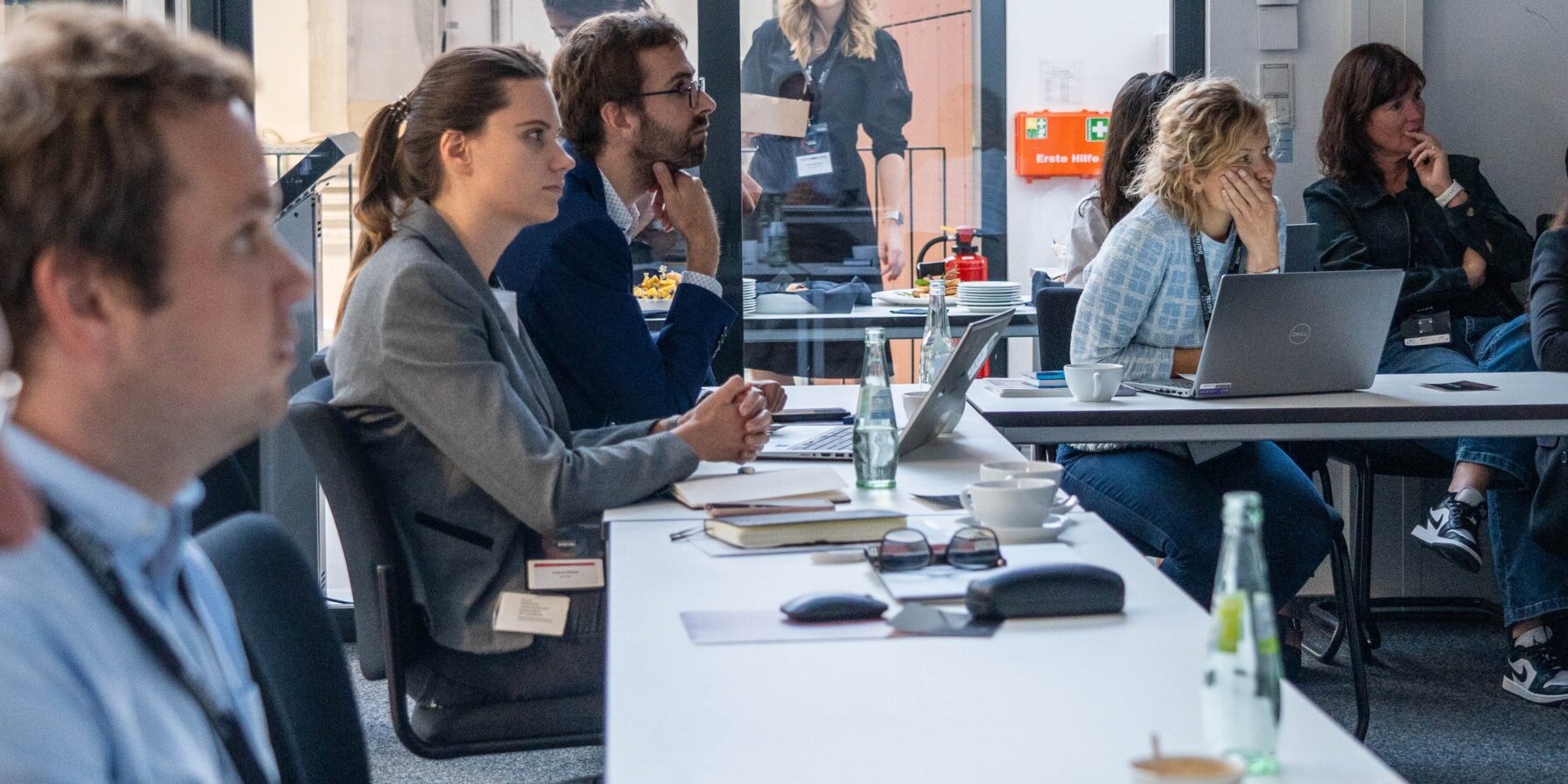
©ZEMA gGmbH
It security in SMEs – How to make your staff fit for digital threats
Why IT security is also crucial for small businesses
Most small and medium-sized enterprises (SMEs) are not well placed to deal with IT security, as they often lack time, money and human resources to deal with it. In addition, there is often a lack of ideas on where and how best to start implementing security measures. Nevertheless, smaller companies in particular are often targeted by cyber-attacks. In this paper, we show how basic information can be conveyed without too specific knowledge and can create a basic awareness of IT security in the company. This awareness allows staff to ideally detect and resist attack attempts.
SMEs targeted by cybercriminals
It security is more important than ever. Almost every week, new, serious attacks on companies are read, often paralysed, even temporarily. As the level of digitalisation increases in all areas, these attacks are becoming more frequent. But why is the issue of IT security relevant to small businesses at all? Who should do this? “uninteresting company” attack?
In reality, the opposite is often true. On the one hand, many attacks (e.g. phishing campaigns) are not targeted, but are sent to tens of thousands of e-mail addresses purchased or leaked, hoping that as many as possible ‘Victim’ means: when entering the distribution chain. Over 99% SMEs in Germany are therefore much more likely to become a random target of an attack.
On the other hand, SMEs are welcome objectives, precisely because they are often at an early stage in the field of IT security and have not implemented many protective measures. There are often few IT staff and nobody explicitly responsible for security. This, of course, makes it easier for attackers. In addition, data from smaller companies are still often interesting for attackers or companies are part of a supply chain.
Thus, in the worst case scenario, an attack would affect all the following companies in the supply chain. Several flights with a flap, so to speak. If you are not flying, do something about it!
Cybersecurity – Awareness as a human firewall
Of course, whatever the size of a company, it is not possible to make it ‘cyber-safe’ from one day to the next – respect for flips: A 100%there is never a lot of certainty. However, as much of the attacks start with a human error, staff awareness is a good entry point to increase resilience against cyberattacks.
This creates awareness among staff, including at management level, and ensures that all staff are aware of and, at best, recognise the common attempts to attack. It can also provide common best practices that reduce the likelihood of successful attacks. Then, with the necessary basic knowledge, it is possible to start implementing security measures.
However, when it comes to training, IT security shares a major problem with data protection and safety at work: Classic training is often dry and boring. Here we offer several short-term webinars on IT security that provide interesting basic information on threats, IT security standards and measures.
We can support SMEs with a self-developed platform to implement concrete measures. This is not only adaptable to the company’s circumstances, but also helps to select the first and most important measures to increase the level of IT security.
The platform relies on information to explain how a measure can be implemented and also provides many supporting documents with additional information, templates and best practices. The integrated risk analysis allows the company to see at any time how much has already been done for IT security and how much risk has been reduced as a result.
Learning is fun
Let’s remember: Most attacks originate from humans. This means that if you do not involve all your staff in the topic and create a basic awareness of IT security, even the best IT security approach is less effective. To help you with this, we offer an IT security workshop together with a Cybersecurity Escaperoom.
Escaperoom? One that you sometimes do privately? Yes, quite similarly. In our escape room, up to 12 players can simultaneously try to resist a ransomware attack by the ‘Motion’s Eleven’ hacking group. Participants learn in a playful way how to protect themselves from real cyber-attacks.
The workshop will also provide basic IT security information and raise awareness among participants. This teaches them how to make typical attacks and increases their mindfulness.
Why awareness-raising is the first step
Of course, it is not enough to participate in one or two webinars or to work with our tool for one hour. Awareness and interest in IT security is raised among participants. The tool makes it possible to identify and implement initial IT security measures. This will increase the company’s IT security.
But always remember: Most attacks originate from a human being. This makes it all the more important that every employee is aware of the issue. You may avoid clicking on the next phishing email!
My conclusion: Cybersecurity needs awareness – and the right tools
- Awareness is the first protection: Most attacks use human error and awareness is therefore essential.
- Learning does not have to be dry: Playful formats such as EscapeRooms make IT security tangible and exciting.
- SMEs are also targeted: It security is not an issue only for big companies – every company should act.
- Implementation made easy: Practical tools help to implement security measures in a targeted and efficient manner.
Make your staff fit for cyber threats!
Do you also want to train your staff interactively and test a tool to implement IT security measures? And it’s all free of charge?
You can now book an appointment at: info@edih-saarland.de! We are happy to support you!
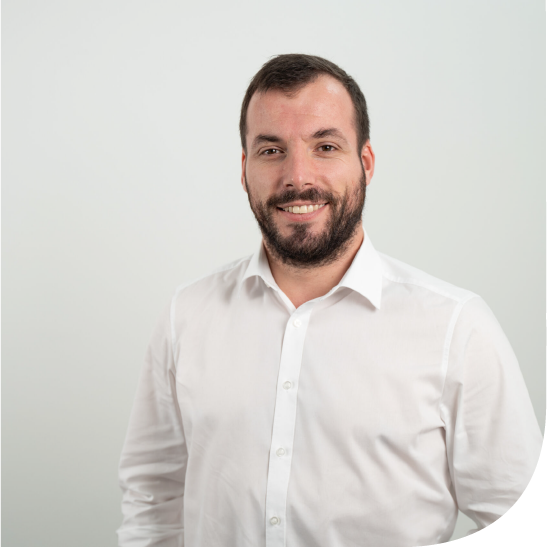
Author
Felix Scherhag
ZeMA